1. Survey the space
The crew checks the whole property, including closets, vehicles, sheds and bathrooms where items may be tucked away.
Grand Crossing, Chicago, IL · Cook County
Found syringes, pipes or residue at a property in Grand Crossing? Call (877) 812-4220. A cleanup team can remove the items, clean and disinfect surfaces and dispose of the waste without judgment.
If anyone is in danger, call 911 first. For a suicide crisis, call or text 988.
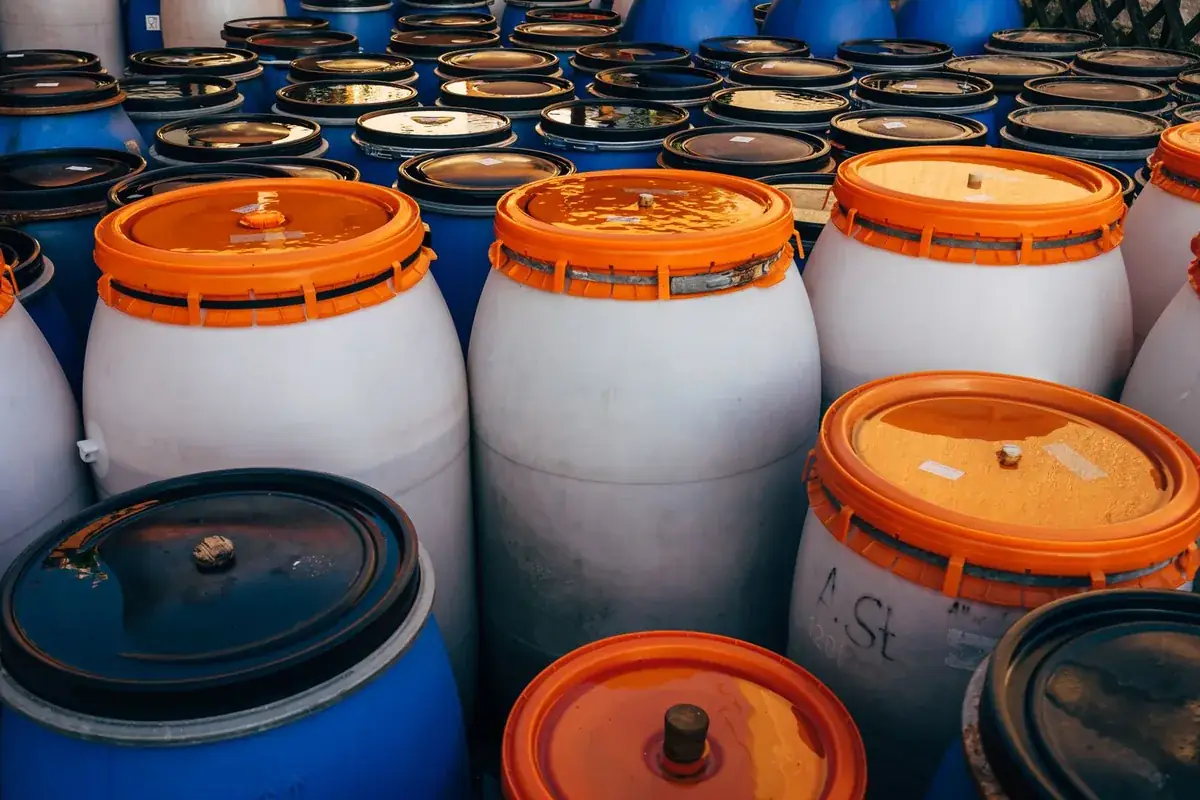
Cleaning a space after drug use can include removal of bedding, carpet or upholstery that took in residue, along with disinfection of hard surfaces and treatment of odor.
If you are unsure whether your space in Grand Crossing needs cleaning, you can talk with Grand Crossing Biohazard Cleanup Help about it in Cook County. The team helps sort out what is paraphernalia cleanup and what may call for more testing.
A vacancy rate near 9% in Chicago means more empty houses and lots, which are common places for discarded items to be found. If anyone is unresponsive or hurt, call 911. The nearest emergency room to Grand Crossing is Mt Sinai Hospital Medical Center in Chicago, about 1 miles away.
A typical drug paraphernalia cleanup job includes:
The crew checks the whole property, including closets, vehicles, sheds and bathrooms where items may be tucked away.
Sharps come first, then bags, foil, containers and stained linens. Each is sorted into the right container.
Contaminated materials are bagged and carried out. Rebuilding or replacing them can wait until the space is clean.
Sealed waste is hauled for proper disposal, and a record is available for the owner on request.
The cost of drug paraphernalia cleanup in Grand Crossing, Chicago, IL depends on the amount of material, how it is packed and how it is hauled.
The number of rooms affected is a major factor. One bedroom needs less time than a whole house or a large rental unit.
| Type of job | Typical range |
|---|
Estimates only, not a quote. Sources: . Price drivers include amount of material, whether residue is present, surfaces affected, waste disposal. Call (877) 812-4220 to talk through the job.
It can. Once soiled items are removed, a team can treat lingering odor in the air and on surfaces. Ask what methods the team uses and whether odor treatment is part of the plan or a separate step.
Sometimes. Some homeowners and renters policies cover cleanup after a covered event, and some limit or exclude claims tied to illegal activity. Check your policy, call your insurance company before work starts, take photos if you can, and keep every receipt.
Vehicles can hold syringes, residue and odor in seats, carpets and vents. Ask whether the team cleans vehicles and how soft materials are treated. Crews use the same protective gear and sealed containers as in a building.
Do not touch, sweep or smell it, and do not try to clean it up first. Keep children and pets away. If anyone touched or swallowed it, call Poison Control, or 911 in an emergency. Then call a cleanup team to remove it safely.
Police and the city do not usually clean the space afterward. The owner or the family books the cleanup once the scene is released. A cleanup team can work after the release and explain the steps. Ask the agency when the space is cleared.
Standard paraphernalia cleanup is about removal, cleaning and disinfection. Testing is a separate step, usually tied to a site where drugs were made. Ask the team and the local health department what testing, if any, applies to your property.
See all biohazard cleanup services in Grand Crossing, Chicago, IL →
Describe what you found and ask how removal and cleaning would work.
Call (877) 812-4220